What Your Fragrance Wheel Says About You
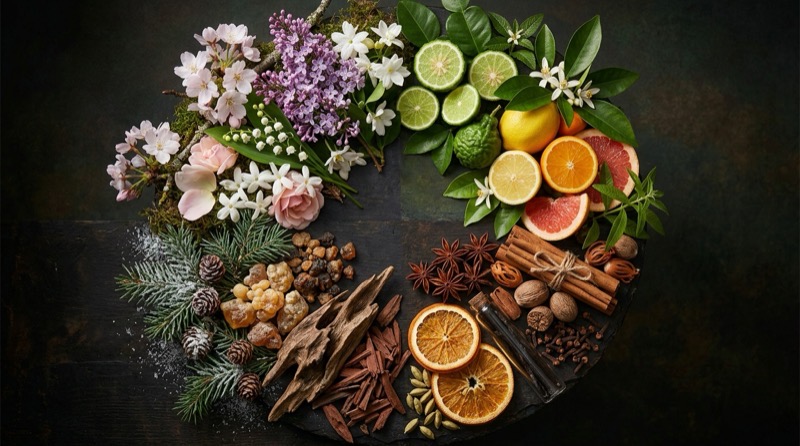
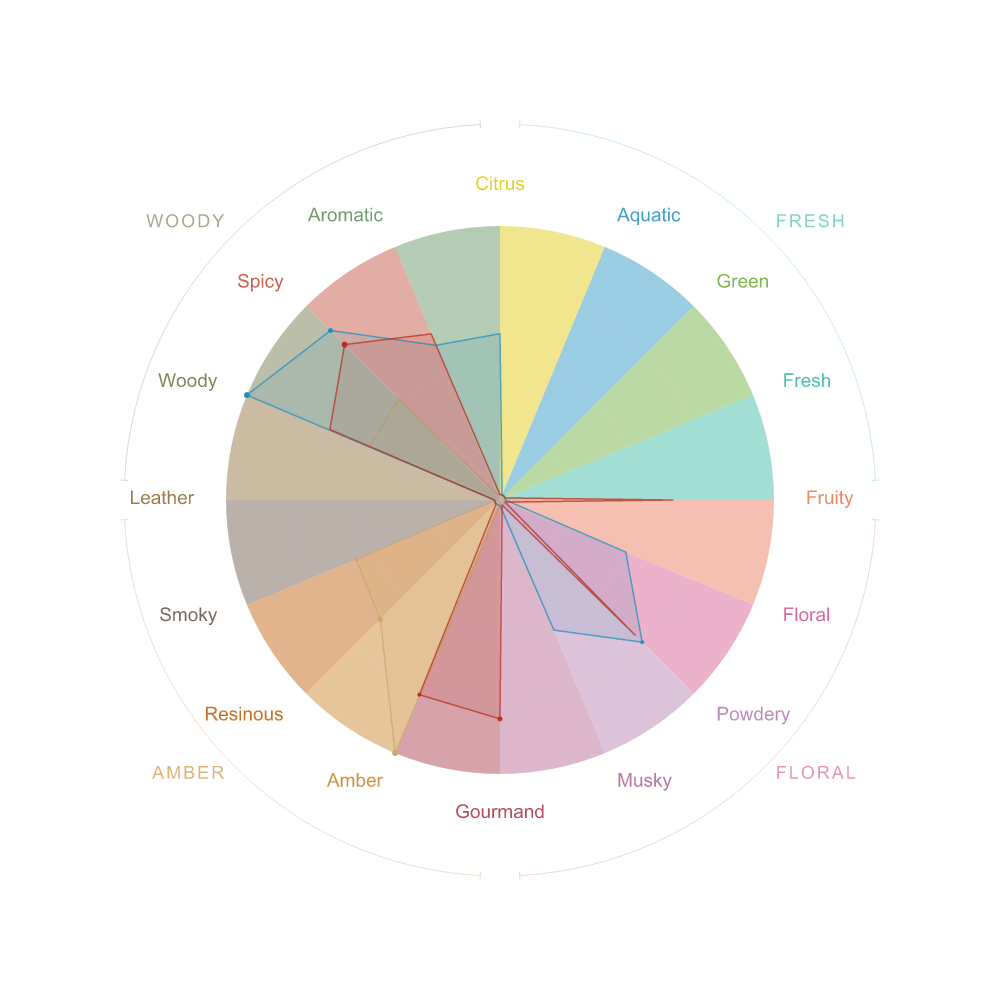
The accords you gravitate toward are rarely accidental. Buried in your fragrance wheel is a map of longing, memory, and the self you carry into a room.
Past the top notes, past the heart — where the true character reveals itself.

The accords you gravitate toward are rarely accidental. Buried in your fragrance wheel is a map of longing, memory, and the self you carry into a room.
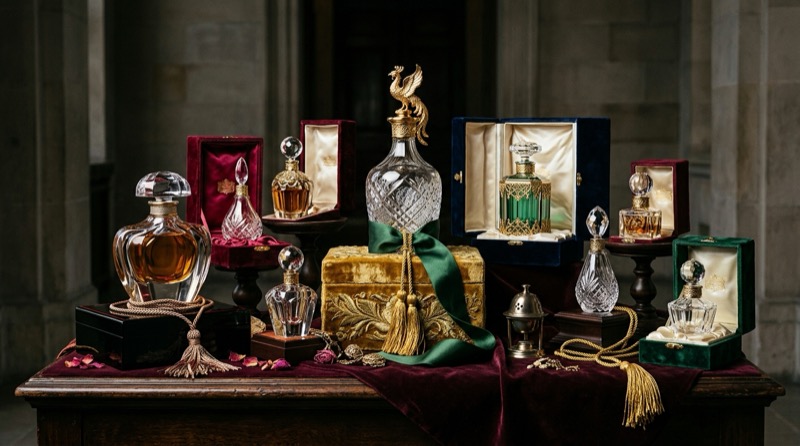
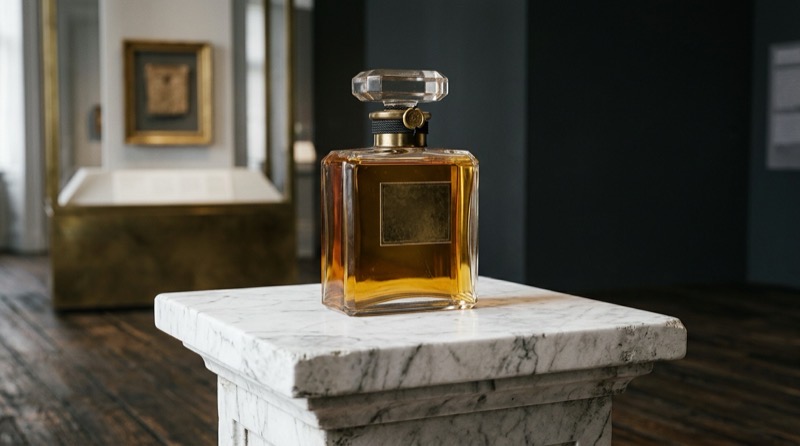
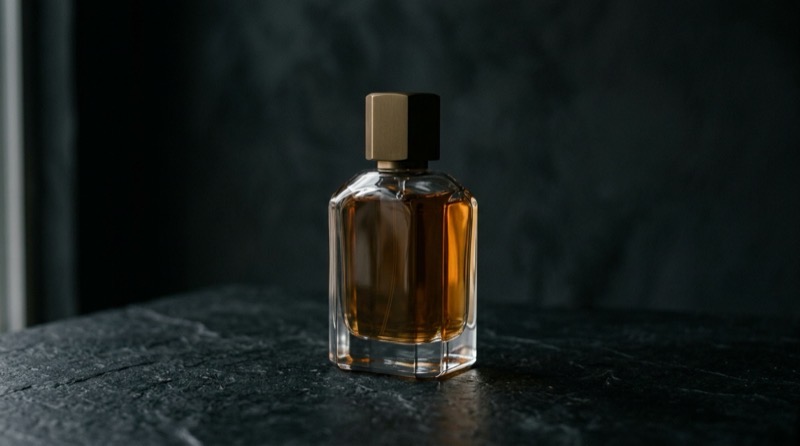
The Chanel No. 5 bottle is the most recognisable vessel in perfumery — and its genius is that it tells you almost nothing about what is inside. That silence is the design.
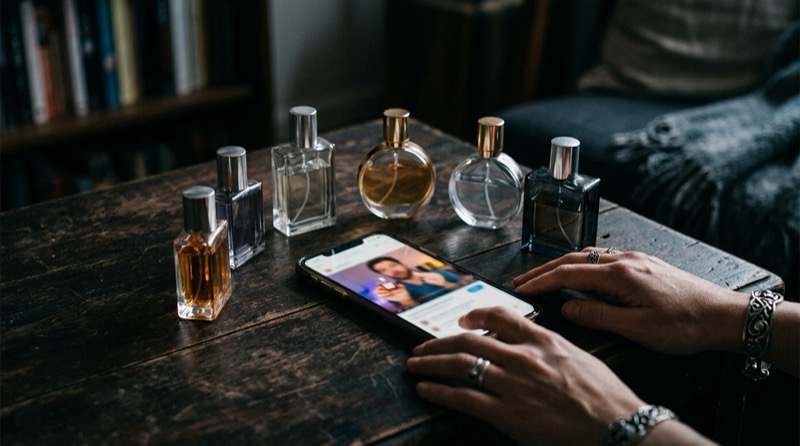
The #PerfumeTok hashtag has over 8 billion views. A teenager in Sephora points at Baccarat Rouge 540 and says "I need the one from TikTok." The revolution is here.
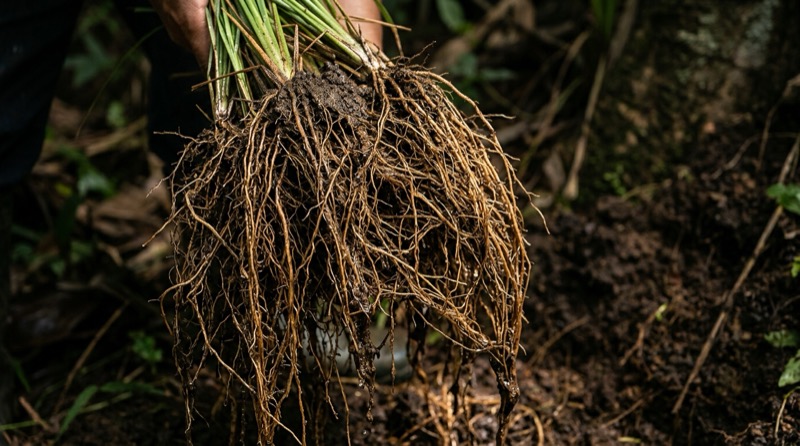
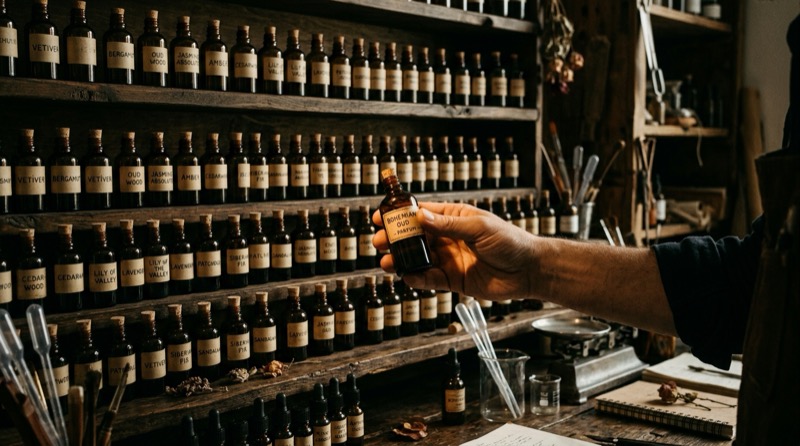
Ask a perfumer to name one material they could not work without, and an uncomfortable number of them will say vetiver — a grass, not a flower, whose roots hold more complexity than most whole compositions.
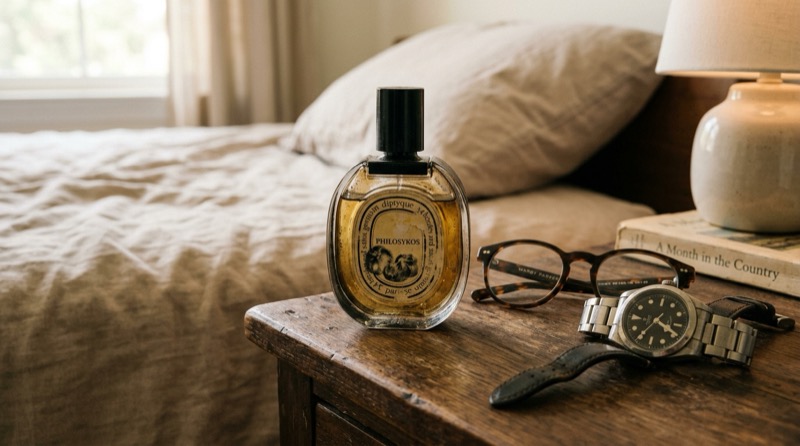
At some point, a fragrance stops being something you put on and becomes something you are. A decade of the same scent is not repetition. It is a relationship.
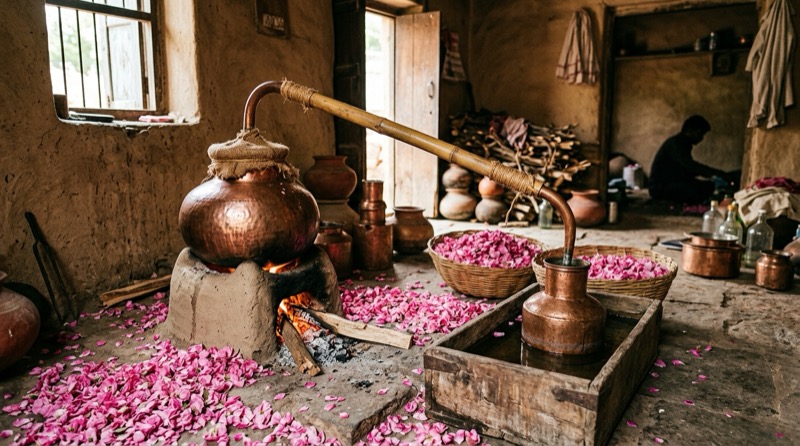
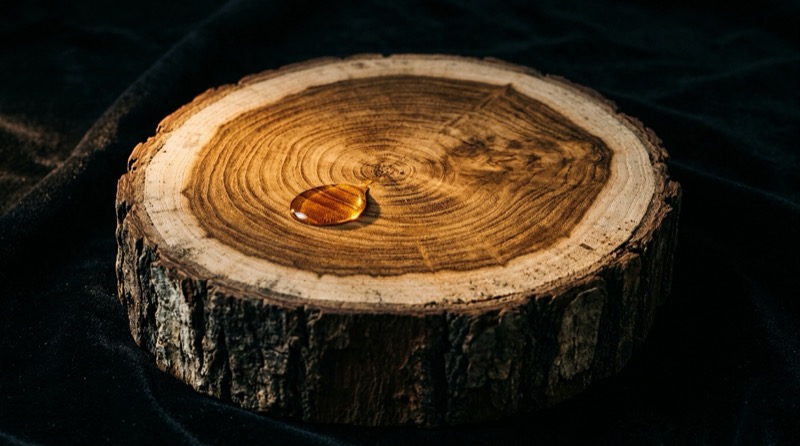
Long before Grasse became the perfume capital of the world, Kannauj was distilling attar into sandalwood oil using techniques that have not changed in four hundred years.
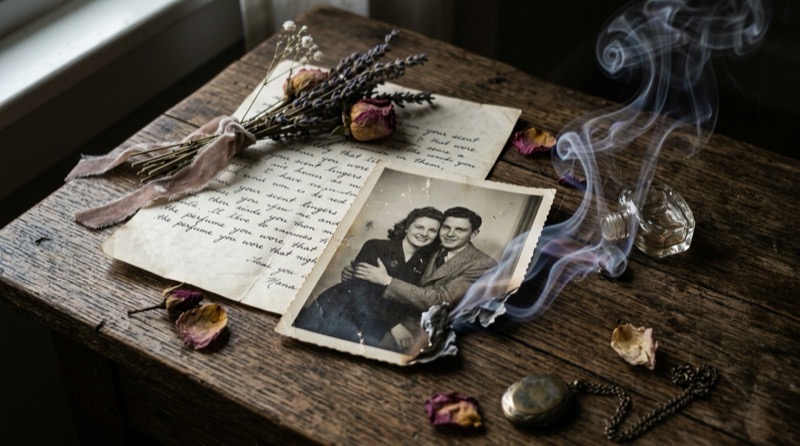
A bottle of perfume can outlast the person who wore it. When you open it, they return — not as memory, but as presence. This is the cruelest and most beautiful thing about scent.
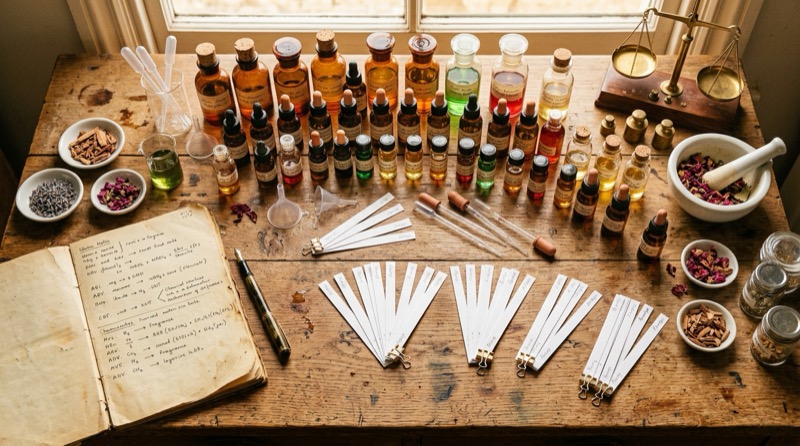
A fragrance begins not with inspiration but with a brief — a document that tells the perfumer what the brand wants, how much it can cost, and how long they have to deliver it.
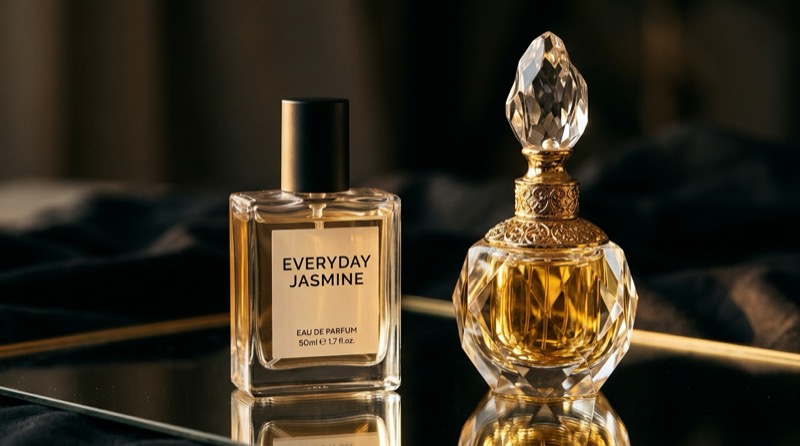
The juice in a $300 bottle of designer perfume costs roughly the same as the juice in a $30 one. The difference is not in the bottle. It is in the story attached to it.
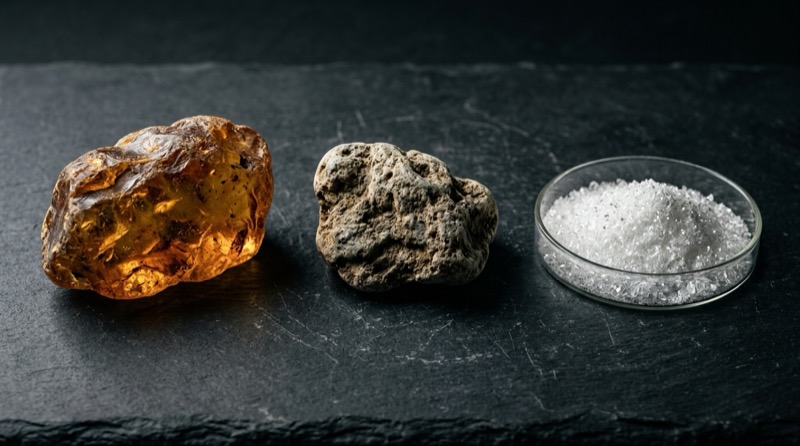
Amber is an accord, not a material. Ambergris comes from whales, not trees. Ambroxan is synthetic, not natural. These three words share four letters and almost nothing else.
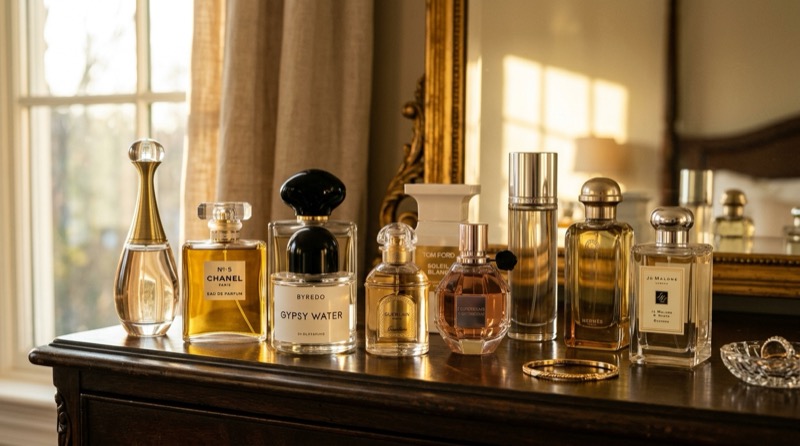
Your grandmother had one perfume. You have twelve. The shift from signature scent to curated rotation is one of the biggest changes in fragrance culture — and no one planned it.
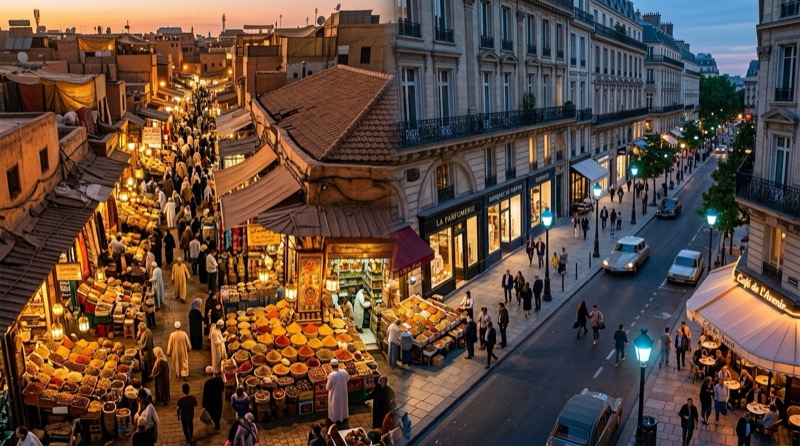
The Gulf heat demands oud and resin. Parisian cool favors iris and aldehydes. Every city has a scent vocabulary shaped by its climate, culture, and collective memory.
I own three bottles of Eau Sauvage from three different decades. They look identical. They are not the same fragrance. This is the reformulation problem.
Western philosophy declared smell the lowest sense two thousand years ago, and we have been living inside that judgment ever since. But the hierarchy says more about our culture than our biology.
I keep a small vial of Mysore sandalwood oil in my desk — not to use, but to remember. It was given to me by a perfumer who understood that what we were smelling was an ending.
In the Gulf, layering is not a technique. It is a language — each combination a sentence, each pairing a conversation between materials that were never meant to exist alone.
The word "clean" on a fragrance bottle means exactly as much as "natural" on a bag of crisps — which is to say, legally, almost nothing at all.
For most of the twentieth century, the people who created the world's most beloved fragrances were invisible. Now they sign bottles and fill auditoriums. The question is whether fame serves the art.
A fragrance that smelled the same at ten in the evening as it did at nine in the morning would be a failure of composition — a static object in a medium that is fundamentally temporal.
You cannot smell a JPEG. You cannot taste a review. And yet millions of people are buying fragrances they have never experienced, based on nothing more than words and someone else's enthusiasm.
Before Angel, the idea that a perfume should smell like dessert would have been a failure of taste. After Angel, it became the dominant aesthetic of an entire era.
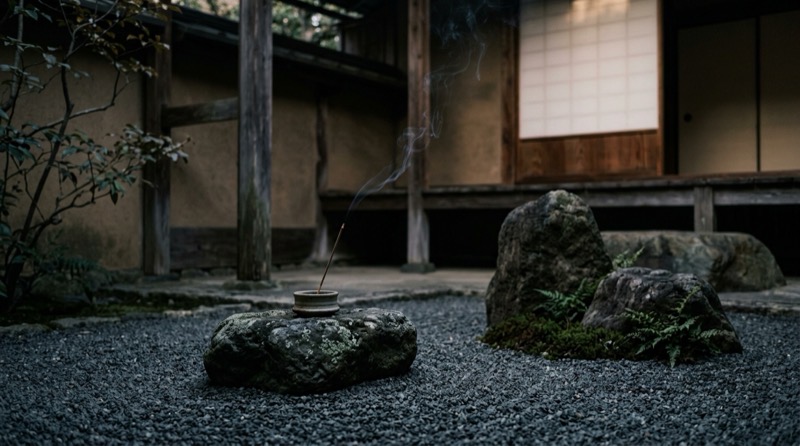
In the West, a great fragrance fills a room. In Japan, a great fragrance fills the space between your collar and your skin — and that is enough.
The seasonal calendar is not a guide to better smelling. It is a guide to better selling — and it is time we stopped confusing the two.
The average collection contains fifteen to thirty bottles. The average wearer reaches for four or five. The gap between those numbers is where the fallacy lives.
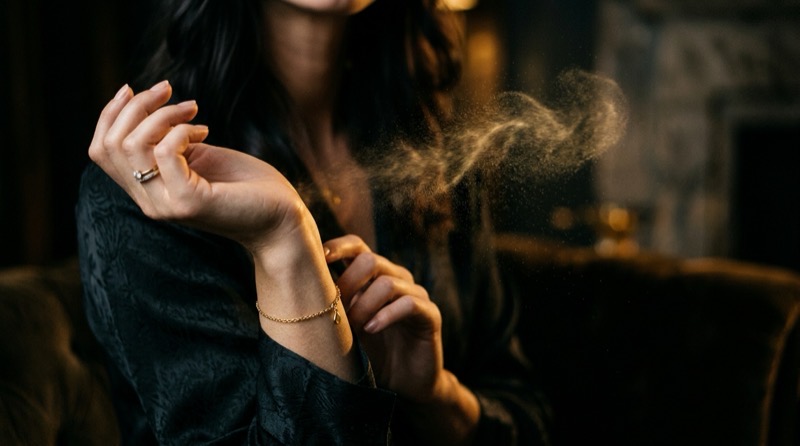
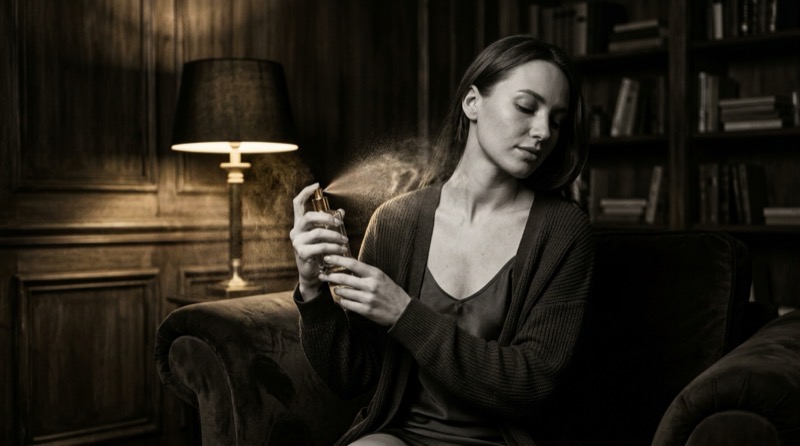
Long before a stranger processes your words, your posture, your clothes, they have already processed your scent. And they have already decided something about you.
The most honest thing a fragrance can do is exist for no one. A scent without a recipient is pure intention.
Innovation opens the door. Cultural gravity holds it open. And structural inevitability — the feeling that a composition could not have been arranged any other way — is what makes the room worth entering.
A fifty-millilitre bottle costs two hundred euros. The raw materials inside it cost eight. The rest is the price of being small in a market built for giants.
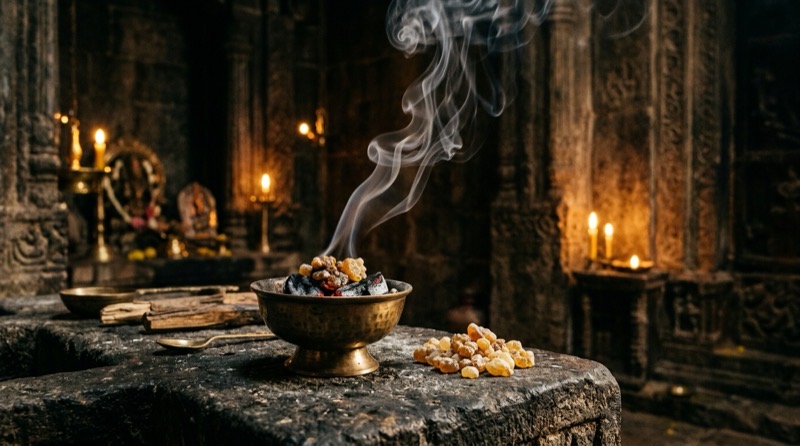
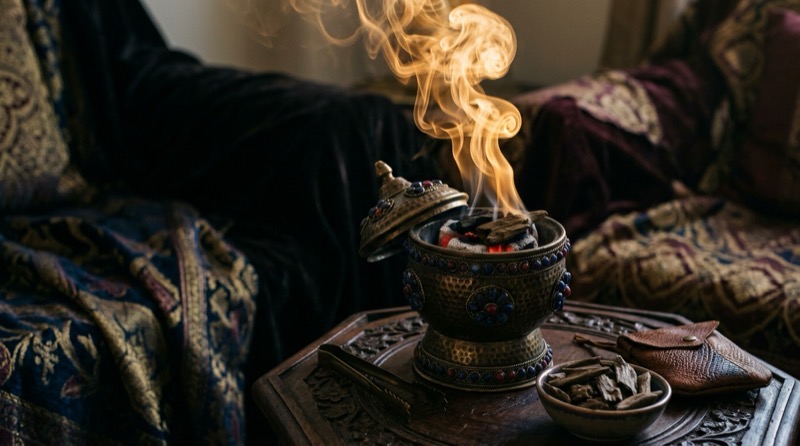
No ingredient in perfumery carries more civilisational weight than frankincense. It has been burned in temples, traded along desert routes, and placed in the tombs of pharaohs — and it is running out.
We have become extraordinarily literate in notes and accords. We have learned almost nothing about the hands that put them there.
The nose does not malfunction when it stops registering your perfume. It is working exactly as designed — filtering the familiar so it can detect the new.
You forgot his face years ago. But the smell of vetiver on a stranger's collar can still stop you mid-sentence. The nose does not forget. It does not even try.
Synthetics gave perfumery its freedom. But naturals gave it its soul. The tension between the two is not a problem to solve — it is the art itself.
Twenty years ago, oud was a regional material that Western perfumers treated as a curiosity. Today it is the defining note of contemporary luxury perfumery — and the story of how that happened reveals something important about who holds cultural power.
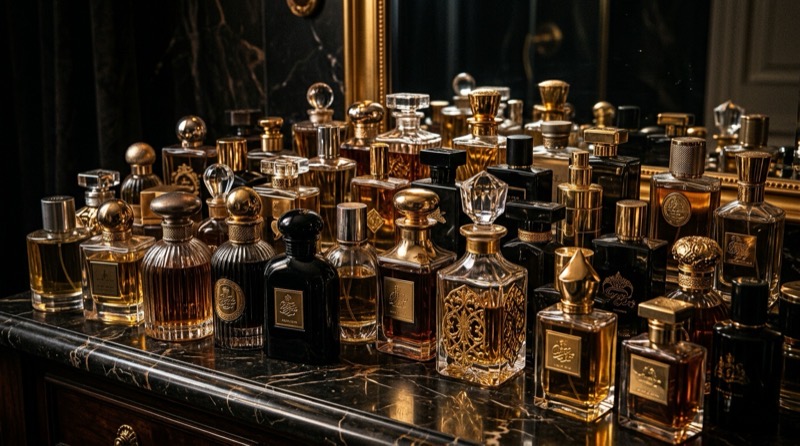
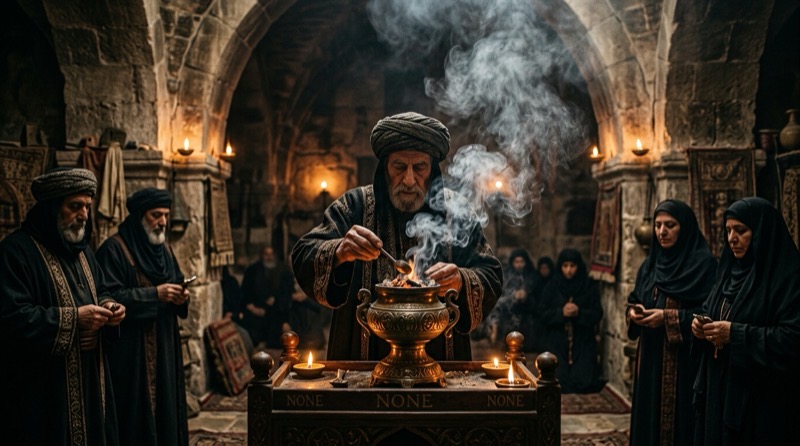
In the Gulf, fragrance is not accessory. It is ritual, language, and inheritance — a living tradition that the rest of the world is only beginning to understand.
Fashion has made its peace with gender fluidity. Beauty is catching up. Fragrance got there first — and the industry spent decades trying to undo it.
The fragrance community has spent decades obsessing over how long a scent lasts. It has been asking the wrong question.
In an era of infinite fragrance wardrobes and algorithmic recommendations, there is a radical act hiding in plain sight: choosing one scent and staying.